The Role of Chatbots in Handling Maintenance Requests and Tenant Queries
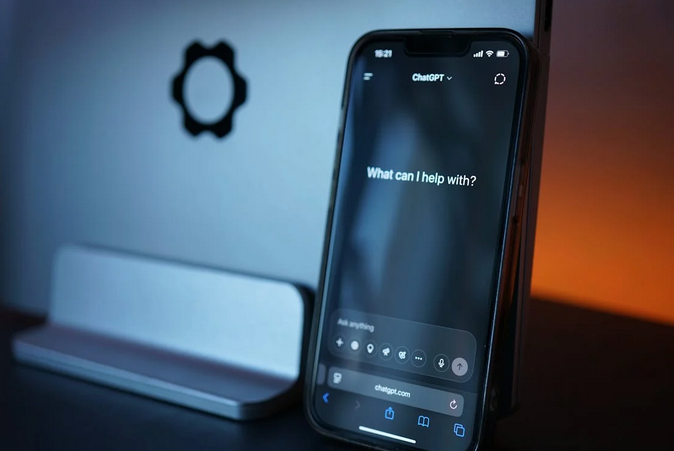
Tenant communication is a constant part of property management. Requests for repairs, updates, and general questions arrive at all hours. Traditional methods rely on phone calls or emails, which can create delays. As an example, the Answering Service for Property Management, when combined with chatbots, offers a more efficient approach. Chatbots provide immediate responses and guide users through simple processes. This technology supports faster handling of maintenance requests and tenant queries. Understanding how chatbots function in this setting helps explain their growing importance.
The Shift Toward Automated Interaction
Property management has seen a steady move toward automation. Chatbots are part of this change. They act as the first point of contact for tenants. Instead of waiting for a response, tenants can interact with a system that replies instantly. This reduces waiting time and improves accessibility. Automation also helps manage high volumes of requests. A chatbot can handle multiple interactions at the same time. This allows property teams to focus on more complex issues.
The Importance of Structured Data Collection
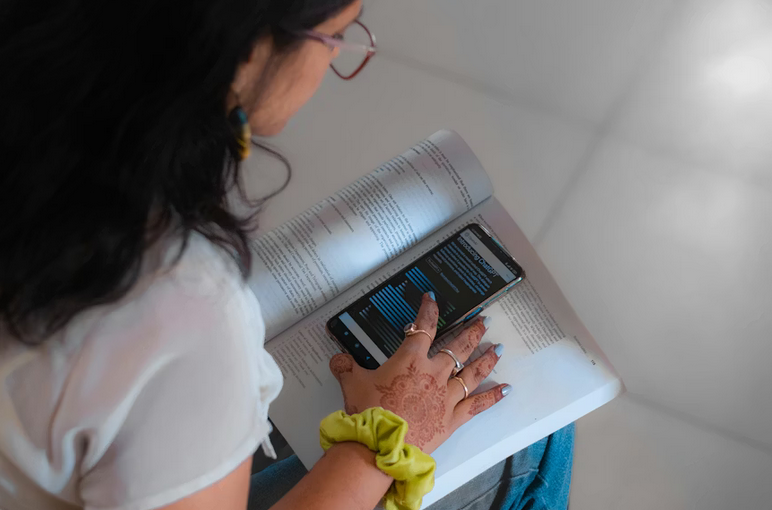
Accurate information is essential for handling maintenance requests. Chatbots help by collecting details in a structured way. They ask specific questions to gather the necessary information. This includes the nature of the issue, urgency, and contact details. This approach reduces incomplete or unclear reports. It helps ensure that maintenance teams receive the information they need. Structured data also supports better organization. Each request can be logged and tracked within a system.
The Impact on Tenant Experience
Tenant satisfaction is influenced by how quickly and clearly issues are handled. Chatbots contribute to a more consistent experience. They provide answers at any time, including outside regular hours. This availability improves accessibility for tenants with different schedules. Clear and immediate communication helps reduce frustration. Tenants feel acknowledged even before a human response is provided. This level of service helps build trust. It shows that the system is responsive and organized.
The Integration With Maintenance Systems
Chatbots often connect with other property management tools. This integration allows requests to move smoothly through the system. Once a request is submitted, it can be converted into a work order. The system can assign it to the appropriate team. Tracking features allow managers to monitor progress. Updates can be shared with tenants automatically. This connection between systems helps ensure that information flows without interruption. It supports a more efficient workflow.
The Role of Instant Response

Speed is important when dealing with tenant concerns. Chatbots provide immediate replies, which help address basic questions quickly. For example, tenants can ask about office hours, payment details, or service updates. The chatbot can provide answers without delay. In maintenance cases, the system can guide tenants through reporting an issue. It collects key details such as location and type of problem. This instant response helps ensure that requests are captured early. It reduces the chance of delays in starting the process.
The Balance Between Automation and Human Support
While chatbots handle many tasks, human support remains important. Some situations require judgment and detailed communication. Chatbots can manage routine queries and initial steps. When needed, they can transfer the interaction to a human agent. This balance helps ensure that tenants receive the right level of support. It combines efficiency with personal attention. Using both automation and human input creates a more complete service model.
Chatbots are changing how maintenance requests and tenant queries are handled. They provide instant responses, collect structured information, and improve communication. These features support faster and more organized processes. By integrating with existing systems, chatbots help ensure that requests move efficiently from reporting to resolution. They also improve tenant experience by offering consistent and accessible support. As technology continues to develop, chatbots are likely to play an even larger role in property management. They offer a practical solution for handling everyday interactions while supporting overall efficiency.…
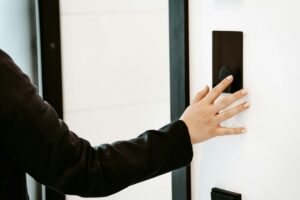 Smart doorbells combine convenience and security in a single device. When someone approaches your door, these doorbells send instant alerts to your phone, often accompanied by video and audio feeds. This functionality allows you to see and speak with visitors without opening the door, whether you are home or away. Many models integrate with existing smart home systems, enabling automation such as turning on porch lights or activating security cameras when motion is detected. For homeowners concerned about package theft or unexpected visitors, smart doorbells are an excellent first line of defense that combines accessibility with peace of mind.